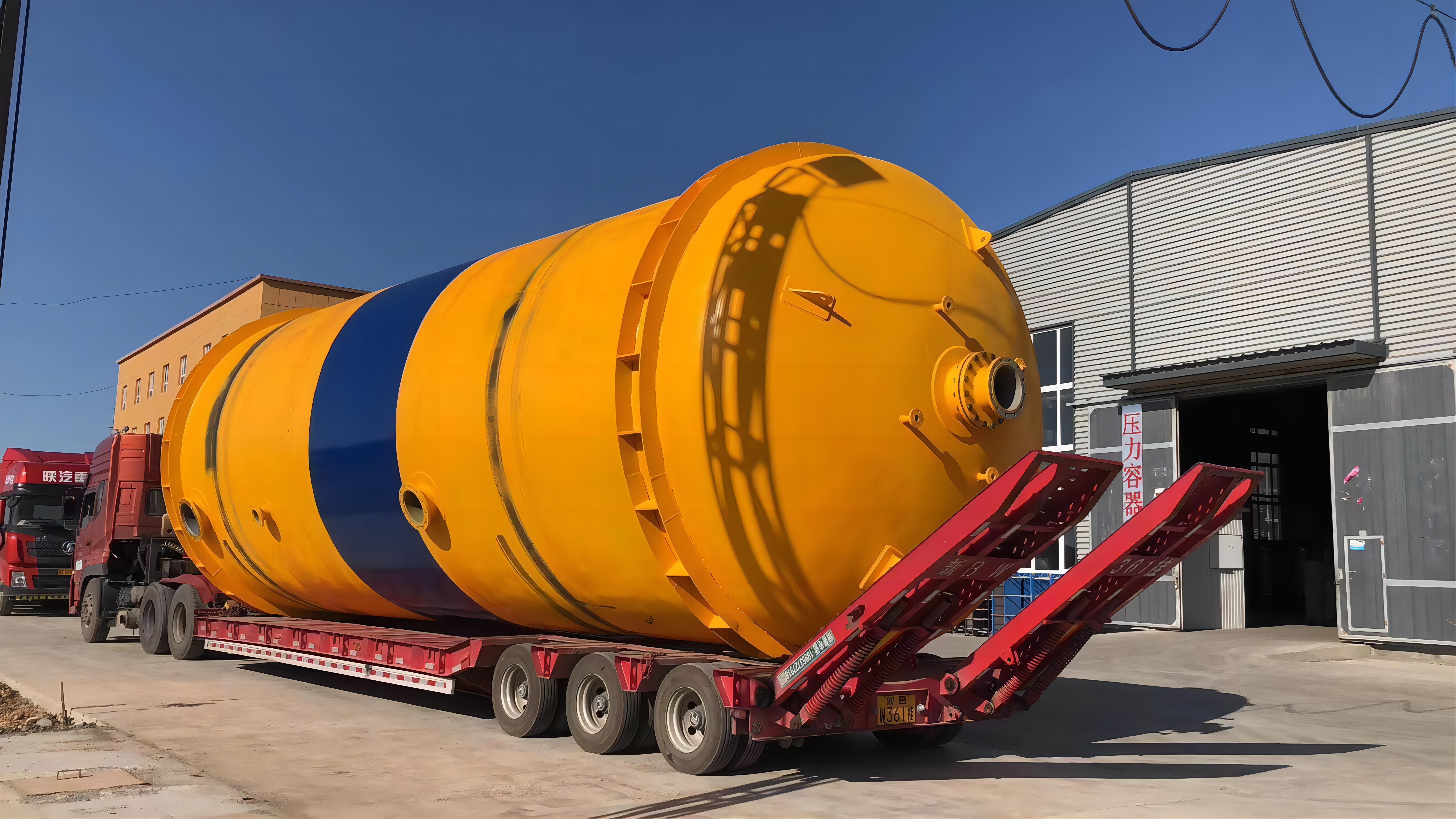
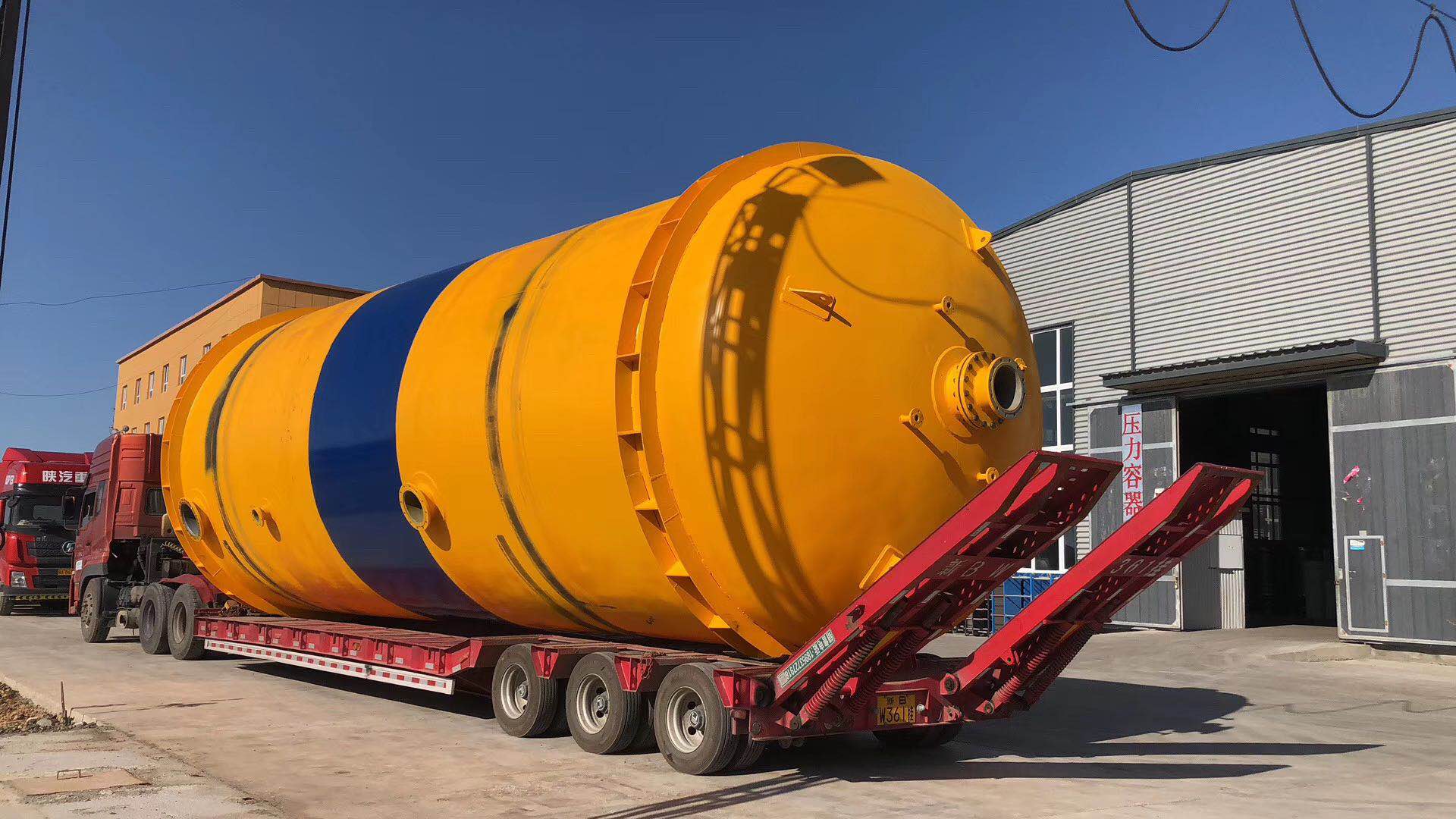
With the continuous expansion of China's domestic transportation infrastructure network, the number of highway, expressway and mountain tunnel projects increases year by year. Various types of wastewater are continuously generated during tunnel construction and operation. Such wastewater features complex water quality and diverse pollutants. Improper disposal will easily damage the surrounding soil and water ecology, and trigger penalties from environmental inspections. In 2026, when environmental supervision becomes increasingly refined and low-carbon oriented, tunnel wastewater treatment has bid farewell to the traditional extensive treatment mode and evolved toward a brand-new direction of intelligent management & control, energy conservation & consumption reduction, and integrated high efficiency. How to select matching equipment to balance environmental compliance, cost reduction and efficiency improvement has become a core concern for major infrastructure projects.
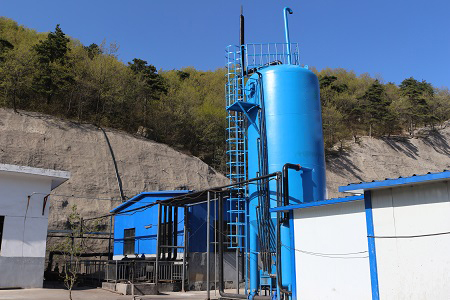
I. Core Value of Tunnel Wastewater Treatment: Beyond Compliance, Ecology Protection
Different from ordinary domestic sewage, tunnel wastewater mainly consists of surrounding rock seepage water, flushing wastewater from construction vehicles, rainwater collected on construction sites and a small amount of on-site domestic sewage. It contains massive suspended sediment, mechanical lubricating grease, trace heavy metals and residual construction admixtures, marked by volatile water quality, complex impurities and frequent sudden pollution incidents.
Conventional simple sedimentation and rough filtration cannot completely remove pollutants. Long-term direct discharge or substandard effluent will lead to turbid rivers, hardened soil and unbalanced aquatic ecosystems, severely damaging the regional ecological environment. Therefore, professional, high-efficiency and highly adaptable wastewater treatment equipment is an essential prerequisite for green construction and compliant operation of tunnel projects.
Practical On-site Implementation Suggestions
1. Regular Water Quality Monitoring & Management
Carry out regular sampling tests on core indicators such as wastewater turbidity, grease content, heavy metals and COD according to the construction and operation cycle of the tunnel. Accurately track the fluctuation pattern of water quality, and timely adjust treatment processes and equipment operating parameters to avoid substandard effluent caused by sudden water quality changes.
2. Advanced Overall Planning & Layout
During the design phase of tunnel projects, synchronously plan the installation position, treatment capacity and process scheme of wastewater treatment facilities. Reserve equipment margin based on peak wastewater flow and local discharge standards to prevent problems including mismatched equipment and renovation rework in later stages.
II. Three Core Development Trends of Tunnel Wastewater Treatment in 2026
With the full popularization of smart and green infrastructure concepts, tunnel wastewater treatment technology keeps upgrading. Intelligent management & control, low-carbon energy saving and multi-function integration have become three mainstream industrial trends, completely solving the pain points of traditional equipment such as cumbersome operation & maintenance, high energy consumption and single function.
Trend 1: Full-process Intelligent Digitalization, Unattended Operation as Norm
In 2026, IoT, digital twin and AI big data technologies are fully applied in the environmental protection sector, pushing tunnel wastewater treatment into a new stage of "intelligent perception, automatic regulation and predictive maintenance". Abandon the traditional extensive mode of manual duty and manual parameter adjustment. High-precision sensors collect full-range operating data, combined with cloud platforms to realize visualized management & control, greatly reducing manual operation errors and labor maintenance costs.
Practical Implementation Tips
Prioritize equipment equipped with professional smart water management systems. Take Haipuou’s self-developed Digital Twin Smart Water Management Platform as an example: it can real-time map the full operating status of wastewater treatment, simultaneously monitor core data including water quality, water pressure, energy consumption and equipment load, and intelligently optimize operation strategies based on big data algorithms to realize early fault warning and automatic parameter adjustment. Mobile remote control is supported without on-site attendance, greatly improving operation & maintenance efficiency and adapting to remote tunnels with inconvenient maintenance conditions.
Trend 2: Low-carbon Energy Saving & Resource Recycling, Dual Benefits of Cost Reduction and Emission Cut
With the continuous implementation of the Dual Carbon policy, wastewater treatment no longer only pursues standard discharge, but also focuses on energy consumption control and resource recovery & reuse. Traditional tunnel wastewater equipment suffers from high energy consumption, large sludge output and low resource utilization rate. The new generation of professional equipment focuses on energy saving optimization and sludge resource recovery, delivering multiple values including pollution treatment, energy conservation and waste-to-resource conversion.
Practical Implementation Tips
When selecting equipment, focus on energy-saving performance and resource recovery capacity, and give priority to officially certified green low-carbon equipment. Haipuou’s Deep Sludge Drying and Resource Recovery Equipment has been included in Shandong Provincial Catalogue of Advanced Applicable Green Low-carbon Technologies and Equipment for Industrial Sectors. While efficiently purifying wastewater, it completes sludge volume reduction and harmless treatment, and realizes simultaneous energy and resource recycling. It cuts equipment operating energy consumption and later solid waste disposal costs from the source, complying with the development requirements of green infrastructure. Meanwhile, streamlined process flows reduce invalid energy loss and further lift energy utilization efficiency.
Trend 3: Modular Integrated Design, Multi-purpose for All Scenarios
Tunnel projects feature limited site space and flexible construction cycles. Traditional split-type equipment covers a large area, requires complicated installation and cumbersome maintenance, failing to meet dynamic project demands. In 2026, mainstream industrial equipment fully shifts to a design mode of multi-function integration, modular splicing and flexible expandability. A single set of equipment can satisfy diverse wastewater treatment demands with smaller footprint and stronger adaptability.
Practical Implementation Tips
Reject single-function equipment and choose integrated integrated facilities. All series of environmental equipment from Haipuou adopt modular intelligent manufacturing, integrating multiple functions such as wastewater purification, solid waste treatment and VOC odor control. One set of equipment solves composite pollution problems including tunnel wastewater, solid waste and odor. Modular splicing design supports flexible configuration expansion as required, featuring easy installation and convenient later maintenance & upgrading, suitable for tunnel projects of various scales and working conditions.
III. Real Project Cases: New Technologies Upgrade Tunnel Wastewater Treatment & Cut Costs
Case 1: Intelligent Renovation Project of Urban Tunnel
A tunnel in the core urban area bears heavy daily traffic with stable wastewater output. Traditional treatment equipment relies on manual regulation, accompanied by volatile water quality, low maintenance efficiency and high energy consumption. The whole renovation project adopted Haipuou intelligent wastewater treatment system equipped with digital twin intelligent management platform, realizing full-process intelligent management covering wastewater purification, equipment operation, data monitoring and fault early warning. After renovation, the overall wastewater treatment efficiency of the project rose by 30%, equipment operating energy consumption decreased by 20%, and no full-time on-site staff is required. The effluent maintains stable compliance with discharge standards in long-term operation, perfectly meeting the refined environmental supervision requirements for urban tunnels.
Case 2: Low-carbon Resource Recovery Treatment Project for Expressway Tunnel
A mountain expressway tunnel faces complex working conditions. Its wastewater contains high oil and sediment content, and sludge accumulation and disposal are prominent pain points. Conventional processes bring high treatment costs and high risks of secondary pollution. This project introduced Haipuou deep sludge drying and resource recovery equipment. While efficiently purifying tunnel wastewater to reach stable discharge standards, it carries out deep volume reduction and resource recycling of generated sludge to turn waste into valuables. Project calculation shows that it can save about RMB 500,000 of annual operating costs including electricity and sludge disposal fees, achieving a win-win situation of environmental compliance and economic benefits.
IV. Industry Summary & Future Outlook
Overall, intelligent digitalization, low-carbon energy saving and functional integration are the core development directions of the tunnel wastewater treatment industry in 2026 and beyond. New-generation tunnel wastewater equipment must satisfy strict environmental discharge standards while meeting diversified demands including low energy consumption, easy maintenance, strong adaptability and resource recyclability, supporting green, efficient and long-term operation of infrastructure projects.
With cutting-edge R&D strength, mature equipment intelligent manufacturing system and abundant on-site construction experience, Haipuou Environmental Protection can accurately match the wastewater treatment demands of various tunnel projects, providing customized, intelligent and low-carbon one-stop wastewater treatment solutions for municipal tunnels, expressway tunnels, mountain tunnels and other projects.
In the future, with continuous upgrading of green and smart infrastructure, tunnel wastewater treatment will achieve all-round upgrading from "end-of-pipe pollution control" to "intelligent operation & maintenance, energy saving & carbon reduction and resource regeneration", supporting coordinated high-quality development of transportation infrastructure and ecological environmental protection.





 EN
EN RU
RU ES
ES DE
DE EL
EL IT
IT JA
JA KO
KO PT
PT ID
ID SR
SR UK
UK VI
VI TH
TH TR
TR MS
MS BE
BE AR
AR